The Big Whale ;: You are the first known artist to have organised a mint of NFTs during a concert, in this case the Transmusicales in Rennes (in France). What's in it for you? What do you remember about the experience?
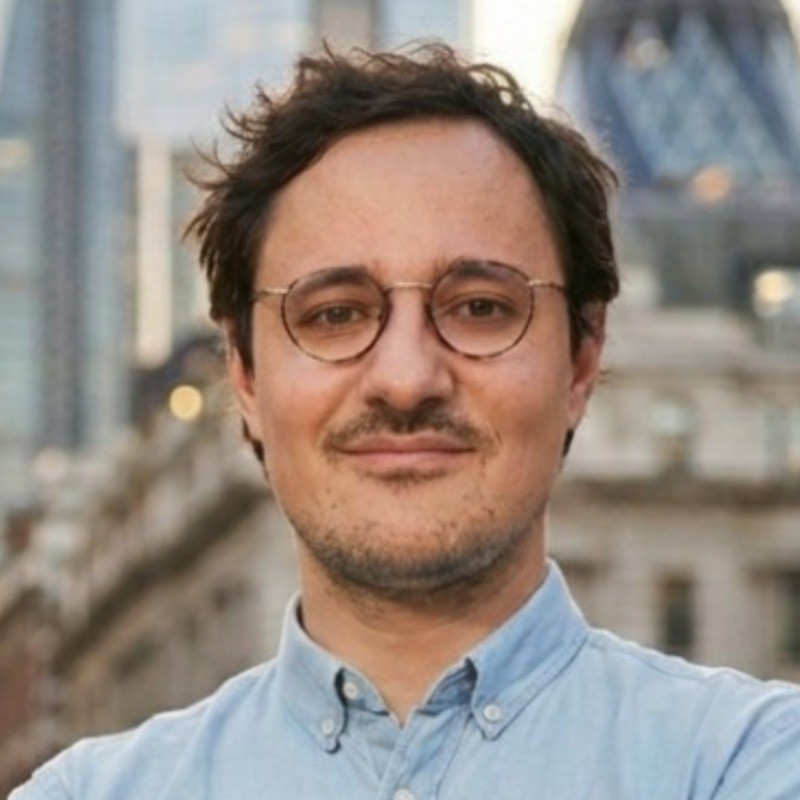
Agoria: Honestly, it was very interesting! We created a special site where anyone could download an NFT generated from my music. It was possible to do this either directly via your wallet or via your e-mail address, which made it easier for the general public to access.
I'm not going to tell you that everything worked perfectly, particularly because of the Internet connection. We had bugs, but it was the first time there had been such an experiment on this scale. In total, there were 250 mints, which is a lot for a festival.
What's your approach to NFTs?
Fun, and it puts an end to the categorisation of artists that I find infernal. I make music, but also photography, films, work with artificial intelligence, etc.
The main strength of NFTs is that they allow artists to free themselves from codes and judgements in order to share their work with as many people as possible. NFTs are a lot like electronic music because there's a universal side to them, you can listen to them anywhere in the world, there's no need to be exhibited in a gallery between four walls, to be dependent on a schedule and the people who go there.
This article is not publically available
Looking to access truly actionable research?
Subscribe to our weekly briefing



.png)