For banks, brokers and asset managers weighing whether to build a tokenized equities venue, Anthropic's debut on 19 November shows where the liquidity still sits.
Anthropic priced 980 million shares at $83 on 18 November and raised $81.3 billion, more than the $75 billion SpaceX raised at its June pricing. A concurrent $26 billion sale of nonvoting shares to seven technology companies lifts the combined raise to about $107 billion, above the $85.7 billion SpaceX reached once its underwriters exercised their overallotment option. CBS News called it the largest IPO in history. The stock opened at $111.50 on Nasdaq, touched $115.10, fell to $92.72 and closed at $97.17, 17% above the offer price and about 13% below the open.
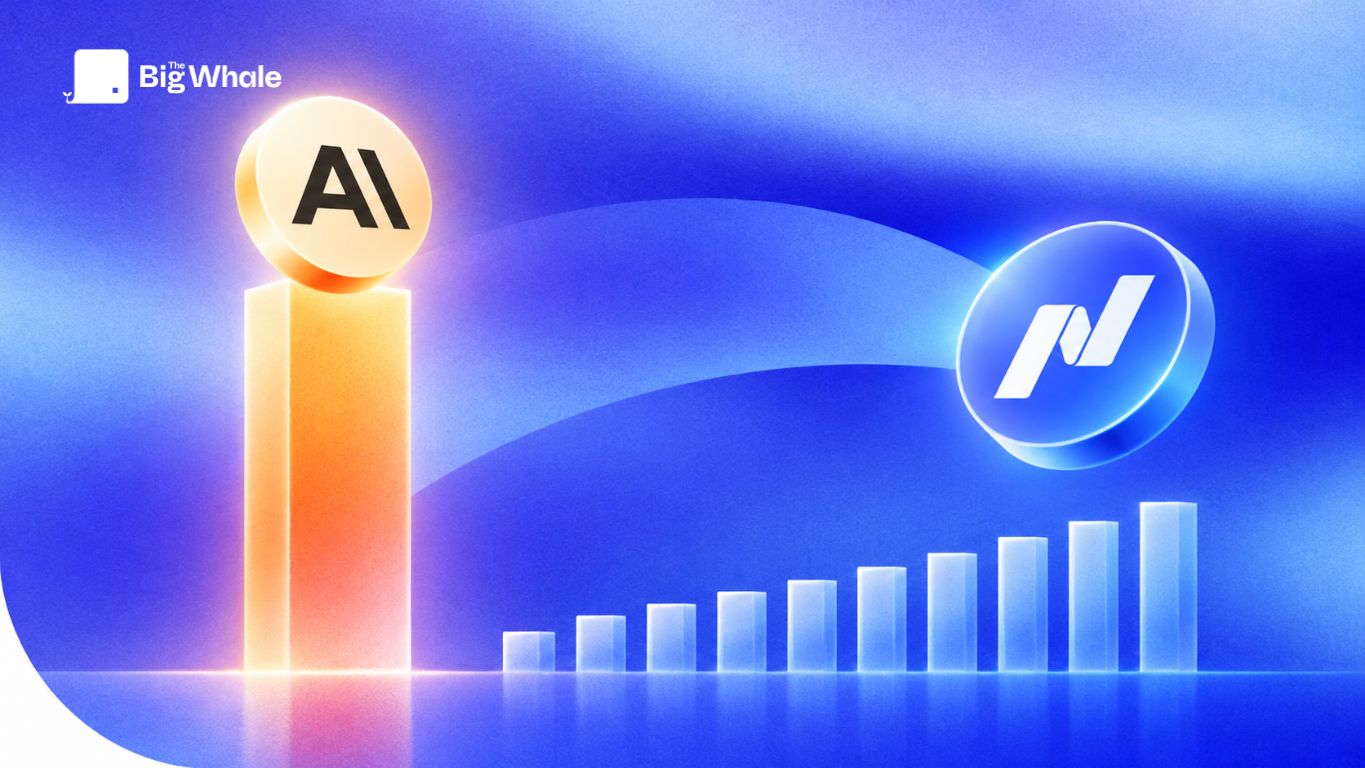
Nasdaq traded about 840 million shares on the day. At the day's low and high prices, that is between $78 billion and $97 billion for Anthropic alone. The top eight venues for tokenized Anthropic traded $96.5 million in the 24 hours to 20 November, roughly 0.1% of Nasdaq's turnover. Uniswap on Robinhood Chain led with $33.9 million, and four Solana venues (Raydium, Meteora, ZeroFi and Orca) added up to $48.0 million.
The monthly comparison is starker. All tokenized stocks traded about $10.9 billion on decentralized exchanges in October, and up to $12.4 billion over a rolling 30-day window reported in early November. One day of Anthropic on Nasdaq was six to nine times that. The broadest measure, monthly transfer volume across all tokenized stocks, is about $90.8 billion. That counts transfers as well as trades, so it is not like for like, yet it still roughly equals one day of Anthropic on Nasdaq.
Most of the crypto-venue volume for Anthropic sat in derivatives. Perpetual futures on Hyperliquid traded between $1.7 billion and $1.9 billion over 24 hours, depending on how many markets are counted. A perpetual carries no share and no redemption right, so it works as a bet on the price.
The premium buyers paid sat upstream of the listing. Before the open, a Hyperliquid contract traded at $110.48, within 1% of the $111.50 first trade, and OKX's pre-IPO contract was around $103, about 24% above the offer price. Tokenized access through xStocks on Kraken, open to eligible clients outside the US, was the other route: the offering price plus a 5% spread, which put the cost at about $87.15 per token against $83. Underwriters decided allocations, so a request could be filled in full, in part or not at all, and the token gave price exposure and no voting rights. That leaves three entry prices for the same exposure: $83 for an allocated share, about $87.15 through xStocks and $111.50 at the open. By the close the allocated share was up 17% and the buyer at the open was down about 13%. After the listing, Backpack's token, which eligible customers can redeem for the underlying share, traded near $95.50 on Solana at 19:22 UTC against $95.79 on Nasdaq at 19:00 UTC, so we found no sign of a persistent liquidity premium on tokenized spot.
The Big Whale's take
Tokenization widened access to Anthropic, and Nasdaq still held the liquidity. For a bank or broker, that makes a tokenized venue a distribution decision. If the goal is to give clients exposure outside an allocation, tokenized products and perpetuals did that. If the goal is to trade size, the day-one numbers point to the traditional venue. Our data does not split institutional from retail flow, so this is a statement about liquidity, not about who provided it.
Perpetuals priced the stock before Nasdaq opened and landed within 1% of the first trade, on a venue that Hong Kong's SFC added to its alert list of suspicious platforms on 18 November, saying it is unlicensed. The open question is the price of access: a Kraken client buying through xStocks paid the offering price plus a 5% spread, charged only on the shares the underwriters allocated. Next to a stock that opened 34% above the offer price, that spread looks small. Liquidity is the harder part, and on debut day it sat on Nasdaq.